
You Deserve to Be the Best You
By Reaching Your Full Potential
In-Person and Online Counseling/Therapy; Coaching; and Mindfulness Centered In Lexington, KY and Nationally & Internationally Online
Welcome to BradfordClark.Insights. It is our great honor to assist you in developing your wholeness and achieving your full potential. With 29 years of international experience, established in Melbourne, Australia in 1996 and now based in Lexington, Kentucky. We bring best practices Therapy, Coaching, and Mindfulness & Meditation combined with life experiences, academic achievements, and professional expertise to support your growth.
I Look Forward Meeting And Having The Opportunity To Partner With You On Your Journey To Reach Your Full Potential
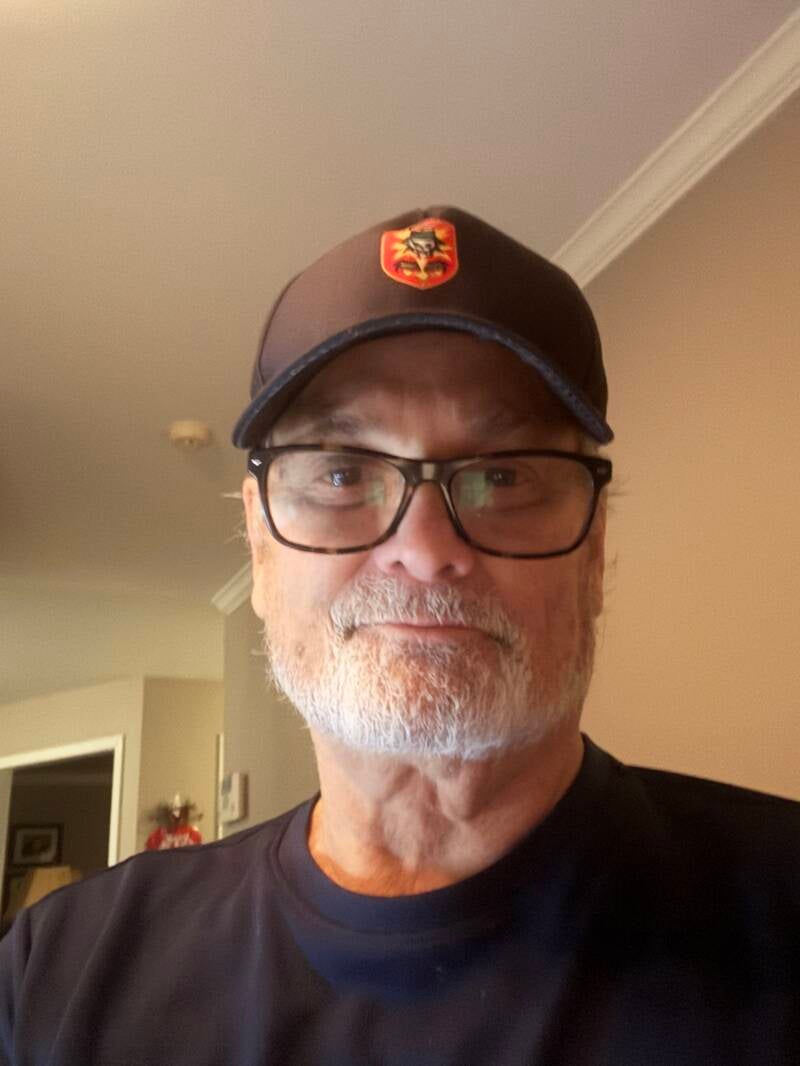
Tom
Dr Tom B Clark PhD
Counseling Psychologist
Our services
Let BradfordClark.Insights Get You on the Path
To Reach Your Full Potential
BradfordClark.Insights offers a diverse range of specialized counseling and coaching services and mindfulness services, meticulously tailored to meet your unique individual and organizational needs. Our approach focuses on deep understanding and effective, practical solutions to foster personal and professional growth.
We provide counseling to resolve emotional pain, overcome life challenges, and nurture authentic lives and quality relationships. We integrates Evidence-Based Best Practices with scientific research, Experience and a multidisciplinary approach to healing. We offer initial psychiatric diagnostic evaluations, individual therapy, family and couples therapy, and a DBT counseling skills group. Call our office at (859) 421-4281 or send an email to drtom0825@gmail.com to learn more.
- Counseling / Therapy (20 years): Trauma; Personality Disorders / Borderline Personality Disorder; Depression; Anxiety; ADHD; Relationship / Marriage Difficulties
- Coaching (25 Years): Executing Coaching; Mindful Leadership; Personal Development; Executive Team; Strategy; Relationship Communication
- Mindfulness (20 years): Mindful Living; Vipassana Meditation

Individual therapy
When to See a Therapist
- You are experiencing mental health conditions such as anxiety, depression, bipolar disorder, or eating disorders.
- You are struggling with trauma, grief, or past events interfering with daily life.
- You need help with severe emotional or behavioral challenges.
Engage in personalized counseling and therapy sessions designed to address your specific challenges, foster self-awareness, and guide you towards mental and emotional well-being.
- Counseling / Therapy: Trauma; Personality Disorders / Borderline Personality Disorder; Depression; Anxiety; ADHD; Alcohol & Sex Addiction; Relationship & Marriage Counseling
Qualifications:
- Licensed Counseling Psychologist in Kentucky & Ohio
- Master of Science in Psychology at Univ Of Michigan Dearborn
- Masters Internal Religions, Detroit Mercy University
- PhD Psychology Monash University Melbourne Australia / Walden University
- Certified Mindfulness & Meditation- Master Practitioner, and International Trainer of Applied Mindfulness, Australian Institute of Applied Mindfulness
- Certified Mindfulness Teacher at Nepal Vipassana Center, Muhan Pokhari, Budhanilkantha, Kathmandu Nepal
- Certified Clinical Trauma Specialist, Trauma Institute International
- Certified Mindfulness Based Stress Reduction, Openground Mindfulness Training, Sydney Australia
- Certified Dialectical Behavioral Therapy (DBT), Australian DBT Institute & DBT-Linehan Board of Certification™ (DBT-LBC™)
- Certified IMAGO Relationship Therapist, IMAGO Relationships International

Executive coaching
Executive coaching is a personalized, confidential partnership designed to enhance a leader's performance, self-awareness, and strategic decision-making through one-on-one sessions. It focuses on navigating complex challenges, improving emotional intelligence, and accelerating career growth for C-suite, VP, and high-potential individuals. These coaches use structured, evidence-based approaches to help leaders achieve both personal and organizational goals.
Key Aspects of Executive Coaching
Purpose: To unlock potential, improve leadership behaviors, and address specific business challenges.
Process: Often involves 360-degree assessments, regular one-on-one sessions, goal setting, and action planning.
Benefits: Increased self-awareness, improved decision-making, better conflict management, and successful leadership transitions.
Models: The Art of Growth
Qualifications:
- MBA Morehead State University
- Master of Science in Psychology at Univ Of Michigan Dearborn
- PhD Psychology Monash University Melbourne Australia / Walden University
- Certified Lean, Association for Manufacturing Excellence (AME)
- Certified Lean / Shingo Model, Shingo Institute Utah State University
- AT Kearney VP Operations Strategy & Lean Australia & SE Asia
- Ernst & Young Director Operations Improvement & Lean Operations
- Trinity Industries VP Industrial Divisions
- Weldtronic President & General Manager

Couples therapy
Strengthen your personal and professional relationships with guidance focused on improving communication, resolving conflicts, and building deeper connections for lasting harmony.
I specialize in
Imago Relationship Therapy (IRT) which is a structured, dialogue-based counseling approach developed by Harville Hendrix and Helen LaKelly Hunt, aimed at transforming relationship conflict into growth. It helps couples move from blame to empathy by understanding childhood wounds and unconscious patterns to create a "conscious relationship". It is effective for improving marital satisfaction, reducing conflict, and deepening emotional connection.
Key Aspects of Imago Relationship Therapy
-
- The Imago Dialogue: The central technique involves a structured conversation—mirroring, validation, and empathy—that helps partners listen without reacting defensively.
- Healing Childhood Wounds: IRT explores how childhood experiences influence current relationship conflicts and partner selection.
- Replacing Blame with Empathy: Partners are taught to stop criticizing and instead understand the emotional reality behind their partner's behaviors.
- Goal: To move from a "unconscious" relationship (driven by reactivity) to a "conscious" one (characterized by intentional connection).
Techniques Used
- The Intentional Dialogue: A three-step process (Mirroring, Validation, Empathy) where one partner speaks while the other listens, repeats back, validates, and empathizes.
- Role-Playing: Partners step into each other’s shoes to gain insight into the emotional impact of their behavior.
- Re-romanticizing: Techniques aimed at re-introducing joy, passion, and positive interaction into the relationship.
Qualifications:
- Licensed Counseling Psychologist in Kentucky & Ohio
- Master of Science in Psychology at Univ Of Michigan Dearborn
- Masters International Religions, Detroit Mercy University
- PhD Psychology Monash University Melbourne Australia ? Walden University
- Certified IMAGO Relationship Therapist, IMAGO Relationships International

Life Coaching
Therapy focuses on healing past traumas, treating mental health conditions (depression, anxiety), and emotional regulation, generally requiring licensure. Life coaching is forward-focused, aiming to boost performance, achieve personal/professional goals, and get "unstuck" through action planning. Choose a therapist for clinical mental health issues; choose a coach for proactive life improvement.
Key Differences Between Life Coaching and Therapy
-
- Focus: Therapy addresses emotional, mental, and psychological health. Coaching focuses on future goals, action plans, and personal development.
- Past vs. Future: Therapy delves into past experiences and their impact on current behaviors. Coaching is present-to-future oriented.
- Qualifications: Therapists must hold state licensure and graduate degrees, enabling them to diagnose and treat disorders. Life coaches are not required to have specific mental health training or licensure, though many hold certifications.
- Goal: The goal of therapy is to heal and improve functioning from a state of distress. The goal of coaching is to move from functional to optimal, enhancing well-being.
When to See a Life Coach
- You feel "stuck" or unmotivated in your personal or professional life.
- You want to set and achieve specific goals (career transition, relationship growth, life changes).
- You are looking to maximize your potential, improve productivity, or build better habits.
While therapy often accepts insurance, life coaching is typically a private pay service. Both can complement each other, with some individuals seeing a therapist for foundational emotional health and a coach for future-oriented growth.
Qualifications:
- Licensed Counseling Psychologist in Kentucky & Ohio
- Master of Science in Psychology at Univ Of Michigan Dearborn
- Masters International Religions, Detroit Mercy University
- PhD Psychology Monash University Melbourne Australia / Walden Universality
- Certified Practitioner Certificate IV in Life Coaching Practice The Life Coaching College (TLCC), Melbourne Australia

Dhamma Shringa, meaning Summit of Dhamma, was founded in April, 1981. Also known as the Nepal Vipassana Center, it is located in the foothills of the Himalayas, overlooking the Kathmandu valley, about 12 kilometer north of Kathmandu City. The Center's land covers nearly four acres. Various buildings serve for residences, ranging from dormitories to single rooms, two separate dining halls for men & women, and a few meditation halls. T
Mindfulness & Meditation
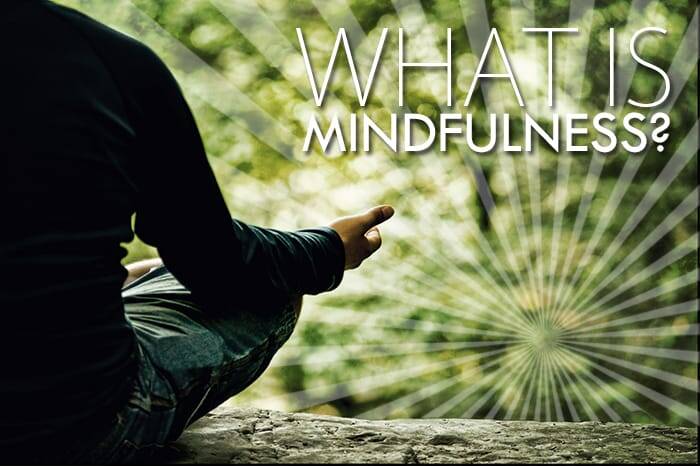
What is Mindfulness
Mindfulness is the basic human ability to be fully present, aware of where we are and what we’re doing, without being overly reactive or overwhelmed by our surroundings. It involves paying attention to the current moment—including your thoughts, emotions, and physical sensations—with a lens of curiosity and kindness rather than judgment.
Core Components
While definitions vary, most experts, including Jon Kabat-Zinn, highlight three essential pillars:
- Intention: The conscious choice to cultivate awareness and return to the present again and again.
- Attention: Directing your focus to what is occurring right now, such as the sensation of your breath or the sounds around you.
- Attitude: Approaching experiences with an open, non-judgmental, and compassionate mindset.
How It Differs From "Autopilot"
Most people spend a large part of their day in a state of automatic pilot, where the mind "time travels" to worry about the future or relive the past. Mindfulness acts as an antidote to this by grounding you in the "here and now".
Common Ways to Practice
You don't need special equipment to be mindful; it can be integrated into almost any activity:
- Mindful Breathing: Using the physical sensation of air moving in and out as an "anchor" to the present.
- Body Scan: Mentally scanning your body from head to toe to notice sensations like tension or warmth without trying to change them.
- Everyday Mindfulness: Performing routine tasks—like washing dishes, eating, or walking—with full sensory awareness.
- Formal Meditation: Setting aside specific time to sit quietly and observe the flow of thoughts and feelings.
Scientific Benefits
Scientific research indicates that mindfulness and meditation provide significant mental and physical health benefits by reducing stress, anxiety, and depression while enhancing emotional regulation, cognitive function, and immune response. Regular practice is associated with neuroplastic changes, including increased gray matter in brain regions linked to memory, empathy, and emotion regulation.American Psychological Association (APA)
Key Scientific Benefits:
- Mental Health & Emotional Regulation: Mindfulness-based interventions are highly effective at reducing anxiety, depression, and rumination. It helps manage PTSD symptoms and improves mood by cultivating awareness of negative thought patterns.
- Brain Structure & Function (Neuroplasticity): Studies using MRI scans show that meditation can increase cortical thickness in the hippocampus (memory and learning) and reduce amygdala reactivity (fear/stress response).
- Physical Health Improvements: Meditation activates the body's relaxation response, lowering cortisol levels (stress hormone), reducing blood pressure, and improving immune system function.
- Cognitive Enhancements: Regular practice improves attention, concentration, and working memory capacity.
- Pain Management: Mindfulness can change the perception of pain, making it a valuable tool for managing chronic pain conditions, such as fibromyalgia.
- Improved Sleep: Meditation helps individuals fall asleep faster and increases sleep quality.American Psychological Association
Common Methodologies:
- Vipassana Meditation & Mindfulness Principles Mindfulness Based Stress Reduction (MBSR): A structured program shown to be effective for various conditions.
- Mindfulness Based Cognitive Therapy (MBCT)
- Mindfulness-Based Pain Management (MBPM)
Qualifications
- Licensed Counseling Psychologist in Kentucky & Ohio
- Master of Science in Psychology at Univ Of Michigan Dearborn
- Masters International Religions, Detroit Mercy University
- PhD Psychology Monash University Melbourne Australia / Walden University
-
Nepal Vipassana Center Class of 2001
- Doi Suthep Temple, International Buddhist Center, Chaing Mai Thailand, Class of 2002, Major: Vipasssana Meditation, Description: 14-day Beginning Meditation Course
-
Nepal Meditation Center Class of 2003 Description: 10-Day Vipassana Meditation
-
Nepal Vipassana Center, Muhan Pokhari, Budhanilkantha, Kathmandu Nepal, Class of 2005 Description: 20-day Vipassana Meditation
-
Nepal Vipassana Center, Muhan Pokhari, Budhanilkantha, Kathmandu Nepal, Class of 2006Major: Certified Mindfulness & Vipassana Meditation Teacher
-
Openground Mindfulness Training, Sydney Australia, Class of 2007 Description: Certified Mindfulness Based Stress Reduction Practitioner
Contact
Tom
Dr Tom B Clark PhD
Counseling Psychologist
Lexington, KY 40509
Opening hours
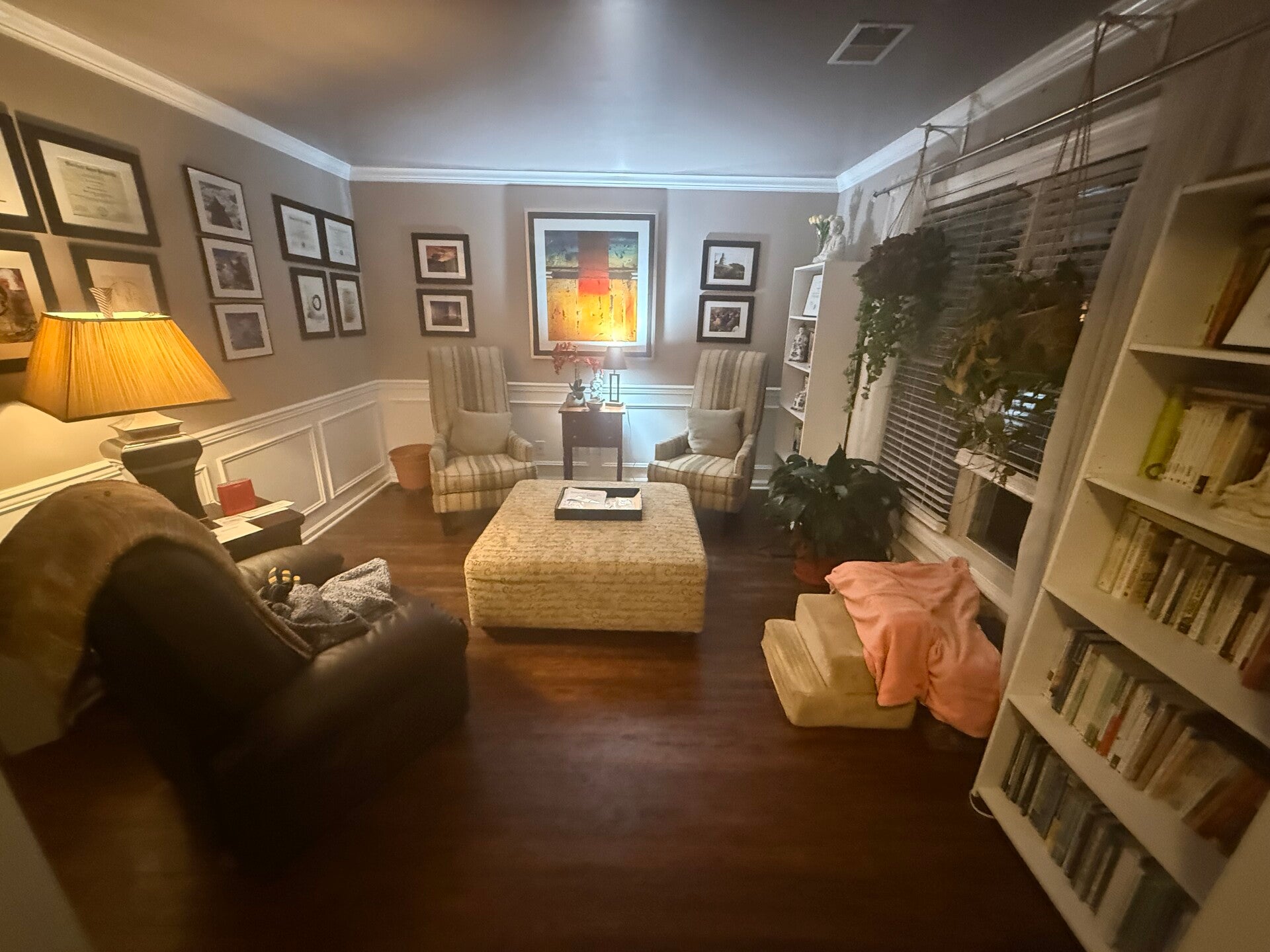
Sessions are currently via Telehealth / Zoom
Mon - Fri: 9am - 6pm
Saturday: 9am - 12pm
Sunday: Closed
Contact
1+(859) 421-4281
drtom0825@gmail.com
Psychology Today: https://member.psychologytoday.com/us/home
Socials